
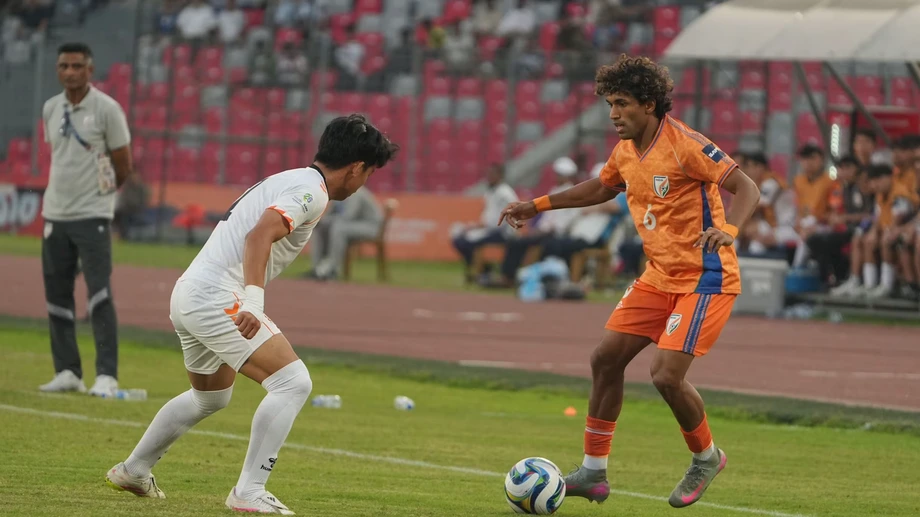
Tổng quan trận đấu: Ấn Độ rally từ thua lợi thế để giành chức vô địch thứ 10
Ấn Độ đã đánh bại Pakistan 2-1 trong trận chung kết Siêu cúp Nam Á 2026 tại Sân vận động Quốc gia ở Dhaka, Bangladesh, vào thứ Ba, ngày 17 tháng 11 năm 2026. Chiến thắng này giúp Ấn Độ giành chức vô địch thứ 10 kể từ khi mở rộng thành tích, và hoàn thành một cú ăn ba lịch sử, khi Blue Tigers trước đây đã vô địch ở 2021 và 2023. Pakistan, lần đầu tiên góp mặt trong trận chung kết Siêu cúp Nam Á, đã mở tỷ số nhờ bàn thắng của Alamgir Ghazi trong thời gian bù giờ hiệp một.
Nội dung
- Tổng quan trận đấu: Ấn Độ rally từ thua lợi thế để giành chức vô địch thứ 10
- Con đường đến chung kết của Ấn Độ: Đội hình dự bị nổi bật
- Hành trình lịch sử của Pakistan đến chung kết đầu tiên của họ
- Từng bàn thắng: Những khoảnh khắc then chốt của trận chung kết
- Đối đầu: Ấn Độ áp đảo Pakistan trong cuộc đua bóng đá
- Các giải thưởng và màn trình diễn cá nhân
- Bối cảnh giải đấu: Lịch sử Siêu cúp Nam Á
- What the Victory Means for Indian Football
- Key Points
Ấn Độ đã lội ngược dòng nhờ bàn gỡ hòa của Suhail Ahmad Bhat ở phút 60, tận dụng lợi thế quân số sau khi Junaid Shah nhận thẻ đỏ trực tiếp. Bàn thắng bằng đầu của Sandip Mandi ở phút 88 đã ấn định chiến thắng.
Với tư cách nhà đương kim vô địch, Ấn Độ đã dẫn đầu bảng B với chiến thắng trước Pakistan và Maldives, trước khi vượt qua Bhutan với tỷ số 2-1 trong bán kết. Pakistan đứng thứ hai trong bảng và loại đội chủ nhà Bangladesh với tỷ số 1-0 ở vòng tứ kết, khi Abdul Samad Arshad ghi bàn quyết định. Từ tiếng còi khai cuộc, Pakistan dồn lên tấn công, nhằm tận dụng sự thay đổi người của Ấn Độ. Naushad Moosa đã dẫn dắt đội hình phát triển qua đấu trường Dhaka, trong khi phần lớn cầu thủ đội tuyển đầu tiên của Ấn Độ, dưới quyền huấn luyện viên trưởng Khalid Jamil, đang ở New Zealand thi đấu giao hữu quốc tế trong cùng thời gian đó.
Con đường đến chung kết của Ấn Độ: Đội hình dự bị nổi bật
Ấn Độ tiến đến chung kết với đội hình dự bị dưới sự dẫn dắt của Naushad Moosa, trong khi phần lớn cầu thủ đội tuyển chính đã ở New Zealand thi đấu giao hữu dưới quyền huấn luyện viên trưởng Khalid Jamil. Bố trí chia đội đến từ việc hầu hết đội hình cao cấp của Ấn Độ đồng ý tham gia trại đào tạo tại Auckland, để Moosa làm việc với đội hình phát triển. Suresh Singh Wangjam là một nhân tố vắng mặt đáng chú ý khác, khi anh rút lui khỏi giải do chấn thương.
Thách thức này không thể ngăn cản, Ấn Độ không thua trong vòng bảng, thắng cả hai trận bảng B gặp Pakistan và Maldives, trước khi vượt qua Bhutan với tỷ số 2-1 ở bán kết để giành vé vào chung kết. Hiệu suất của Ấn Độ ở vòng bảng đặc biệt ấn tượng trong hoàn cảnh này. Blue Tigers dẫn đầu bảng B với điểm số tối đa sau hai trận, đánh bại Pakistan 3-2 ở trận mở màn giải đấu nhờ cú đúp của Suhail Ahmad Bhat và bàn thắng của Manglenthang Kipgen.
Bhat và Najeeb Ullah Khan của Pakistan cùng chia sẻ ngôi nhất với bốn bàn thắng mỗi người tại giải đấu. Trong bán kết, Vishnu PV và Chinglensana Singh Konsham gỡ điểm, giúp Ấn Độ vượt qua Bhutan với tỷ số 2-1 để tiến vào trận chung kết thứ ba liên tiếp của Siêu cúp Nam Á. Chính sách xoay vòng đội hình khiến Ấn Độ thiếu đi một số ngôi sao quen thuộc, nhưng những cầu thủ đã được trao cơ hội đã tỏa sáng ở thời điểm quan trọng nhất.
Khả năng chiến thuật của Naushad Moosa thể hiện qua cách ông bố trí đội hình chơi phòng ngự chắc chắn đồng thời tìm kiếm cơ hội phản công. Kinh nghiệm thi đấu cùng nhau từ các giải trước, kết hợp với khát khao của các cầu thủ trẻ tuổi, đã là yếu tố quyết định trong chiến thắng ở bán kết trước Bhutan. Hành trình của Ấn Độ đến chung kết không thiếu những lúc thử thách. Đội bóng đã đối mặt với một thử thách lớn ở trận mở bảng gặp Pakistan, nơi các bàn thắng sớm của Bhat giúp Ấn Độ kiểm soát thế trận, nhưng một phản công của Pakistan muộn khiến tỷ số sát nút hơn mong đợi.
Trận gặp Maldives chứng kiến Ấn Độ giành chiến thắng 1-0 nhờ penalty của Bhat, đội bóng đã quản lý trận đấu một cách thông minh dù phải xoay vòng. Mỗi trận đấu đều kiểm tra một khía cạnh khác của đội hình, từ phòng ngự đến sáng tạo tấn công, và Moosa đã tận dụng cơ hội để trao cơ hội cho tài năng mới cho các chặng đường sau này. Chiến thắng ở bán kết trước Bhutan là nền tảng hoàn hảo cho lần xuất hiện cuối cùng của Ấn Độ tại chung kết. Sau khi để thủng lợi thế từ bàn sớm của Bhutan, Ấn Độ đã thể hiện sức bền để lội ngược dòng và thắng 2-1, với các bàn thắng ở thời điểm quan trọng giúp Ấn Độ vào đến trận đấu quyết định. Chiến thắng này cũng đồng nghĩa với việc Ấn Độ đã tiến đến chung kết ba giải Siêu cúp Nam Á liên tiếp, hướng tới việc giành ba danh hiệu liên tiếp.
Hành trình lịch sử của Pakistan đến chung kết đầu tiên của họ
Hành trình đến chung kết Siêu cúp Nam Á của Pakistan là câu chuyện về sự kiên cường và những lần đầu lịch sử. Dưới thời cựu cầu thủ quốc tế Peru Nolberto Solano, Shaheens đứng thứ hai bảng B sau khi thua Ấn Độ và thắng Maldives 3-0. Đội tuyển sau đó loại đội chủ nhà Bangladesh với tỷ số 1-0 ở bán kết, khi Abdul Samad Arshad ghi bàn quyết định ở phút cuối. Chiến thắng này đánh dấu lần đầu Pakistan góp mặt trong trận chung kết Siêu cúp Nam Á, một cột mốc với một quốc gia từng nhiều lần vào đến bán kết bốn lần trước, lần gần nhất là năm 2018.
Pakistan's path was not easy. In the group match against India, the Shaheens led through Alamgir Ghazi's first-half goal before Suhail Bhat's equaliser and a late India surge saw the Blues win 3-2. The 3-0 victory over Maldives showcased Pakistan's attacking potential, with Najeeb Ullah Khan scoring a hat-trick. The semi-final against Bangladesh was a tense affair, with the match level at 0-0 until Arshad's 86th-minute strike sent Pakistan through. The win gave Pakistan their best-ever finish in the tournament, surpassing their previous best of third place from 1997.
The five overseas-based players added to Pakistan's squad before the knockout rounds provided fresh tactical options. One of them, Abdul Samad Arshad, proved decisive with the winner against Bangladesh in the semi-final. The additional experience gave Solano more choices as his team prepared for the biggest match in their history at this level of the competition. Pakistan's head-to-head record against India stood at four wins from 30 meetings, but the final represented a new chapter in their rivalry.
Từng bàn thắng: Những khoảnh khắc then chốt của trận chung kết
The SAFF Championship 2026 final produced a dramatic turnaround that will be remembered as one of the competition's most exciting deciders. Pakistan struck first through Alamgir Ghazi's powerful curled effort in first-half stoppage time, leaving the nine-time champions trailing at the break. The goal came after a sustained period of Pakistan pressure, with India's defence looking organized but eventually succumbing to the Shaheens' attacking prowess.
India's response after the interval was swift and purposeful. Suhail Ahmad Bhat levelled the score in the 60th minute, capitalising on Pakistan's numerical disadvantage after Junaid Shah's straight red card for a studs-up challenge on Brison Fernandes. The equaliser arrived just eight minutes after the dismissal, as Bhat latched onto a cross from Lhungdim that took a slight deflection, leaving the Pakistan goalkeeper with no chance. The moment shifted the momentum decisively in India's favour.
The decisive moment came in the 88th minute when Sandip Mandi rose highest to meet Abdul Rabeeh's outswinging corner. Mandi directed the ball into the top-right corner, beyond the reach of Yousuf Butt, sending the Indian supporters into raptures. The goal sparked wild celebrations among the Indian players, who surrounded Mandi in a jubilant pile-on. Mandi was subsequently named Player of the Match for his match-winning contribution.
Throughout the match, Pakistan enjoyed greater possession in the first half, creating several chances through their flanks. India, though, grew into the game after the break and looked the more dangerous side with Pakistan reduced to 10 men. The numerical advantage allowed India to press forward with greater intensity, creating numerous opportunities. Bhat's celebration, featuring a 'Siu' gesture reminiscent of Cristiano Ronaldo, epitomized the energy and belief that had surged through the Indian camp.
Pakistan's resistance in the final half-hour tested India's resolve. With 10 men, the Shaheens dropped deeper into their own half, looking to absorb pressure and strike on the counter. Several late India attacks were repelled by a determined Pakistan defence, which blocked shots and cleared crosses with desperation. The cooling breaks, introduced at 28 and 77 minutes, provided brief respites in a high-intensity encounter that kept spectators on the edge of their seats.
Đối đầu: Ấn Độ áp đảo Pakistan trong cuộc đua bóng đá
India's rivalry with Pakistan on the football field is one of the most storied in South Asian sport. The two neighbours have met 30 times in senior international competitions, with India holding a commanding 17-4-9 advantage in their head-to-head record. Of the 30 meetings, India has won 17 matches, Pakistan has claimed four victories, and nine encounters have ended in draws. The dominance is all the more remarkable given the political tensions that often shadow sporting encounters between the two nations.
Tuesday's final marked the first time India and Pakistan had contested a senior SAFF Championship final, although they have met in two men's age-group finals previously. In 2011, Pakistan won the SAFF Under-16 final 2-1, while India claimed the 2023 Under-19 title with a 3-0 victory. Manglenthang Kipgen, who scored in that 2023 age-group final, is also part of India's current senior squad, providing a connection between the generations.
The group-stage meeting between the two sides in this tournament provided another chapter in the rivalry. India's 3-2 victory on November 5, 2026, saw Suhail Ahmad Bhat score twice and Manglenthang Kipgen add the other goal. Pakistan mounted a late comeback but could not find an equaliser, with Bhat and Pakistan's Najeeb Ullah Khan finishing as joint top-scorers with four goals each at the tournament. The result gave India a psychological edge heading into the final, though the head-to-head record showed the matches have often been closely contested.
Despite India's overall dominance, Pakistan has proven capable of producing winning performances against the Blues. The four Pakistani victories have come in different eras and under different circumstances, showcasing the progress the nation has made in football development. The final represented an opportunity for Pakistan to rewrite some of the narrative, but the historical weight favoured the nine-time champions.
The upcoming final had additional significance as it would extend the head-to-head record. India, seeking a 10th SAFF title, aimed to further cement their rivalry dominance, while Pakistan hoped to add a prestigious first silverware in the competition to their cabinet. The match would also provide new data points in a rivalry that has seen periods of Indian dominance punctuated by occasional Pakistani victories, keeping the competitive balance intriguing for fans across South Asia.
Các giải thưởng và màn trình diễn cá nhân
The SAFF Championship 2026 final and tournament produced several individual accolades that highlighted standout performances. Suhail Ahmad Bhat was named Most Valuable Player and finished as the top scorer with four goals, including a brace in the group-stage win over Pakistan and the equaliser in the final. Sandip Mandi's 88th-minute header in the final earned him Player of the Match honours, while India's Arsh Anwar Shaikh was recognized as the tournament's best goalkeeper. The Maldives team received the Fair Play award for their sportsmanship throughout the competition.
India's prize money for winning the title was $40,000, while Pakistan received $15,000 for finishing as runners-up. These amounts reflected the tournament's commitment to rewarding participating nations, with the total prize pool distributed among the six competing countries. The financial rewards complemented the prestige of adding another title to India's growing collection and achieving a historic three-peat in the process.
Individual awards extended beyond the final match. Suhail Bhat's four goals at the tournament included two in the opener against Pakistan, one from the penalty spot against Maldives, and the crucial equaliser in the final. His MVP award recognized his overall contribution throughout the competition, while Arsh Anwar Shaikh's goalkeeping performances were instrumental in India's defensive solidity. The fair play acknowledgment for Maldives underscored the importance of sportsmanship in the tournament. The tournament's top-scorer standings featured Suhail Ahmad Bhat at the summit with four goals, followed by Pakistan's Najeeb Ullah Khan also on four.
Bối cảnh giải đấu: Lịch sử Siêu cúp Nam Á
The SAFF Championship 2026 final was the culmination of a tournament with a rich history dating back to 1993. The competition, organized by the South Asian Football Federation, has grown into South Asia's premier football tournament, promoting regional development of the game. This 15th edition featured six nations competing in Dhaka, Bangladesh, after the host city was changed from Sri Lanka due to logistical issues. Nepal did not participate due to a FIFA suspension that had not been lifted by the tournament deadline.
India's nine previous titles had come in 1993, 1997, 1999, 2005, 2009, 2011, 2015, 2021 and 2023, establishing them as the most successful nation in the competition's history. Maldives has won the title twice (2008, 2018), while Bangladesh, Afghanistan, and Sri Lanka have each won once. The tournament format has evolved over the years, with changes to group structures, qualifying systems, and participant numbers reflecting the growing interest in football across South Asia.
The sponsorship landscape has also transformed the tournament. Title sponsors have included Ceylon Tobacco Company, Coca-Cola, BEXIMCO, Karbonn, Suzuki, Ooredoo, and most recently Tecno Mobile, whose branding featured on the 2026 edition. Sports marketing company Sportfive has been involved in the tournament since 2025, bringing professional event management to the competition. These partnerships have helped elevate the tournament's profile and improve organizational standards.
The 2026 edition will be remembered for several firsts: Pakistan's maiden final appearance, India's historic three-peat, and the introduction of VAR technology for the first time in SAFF Championship history. The use of video assistant referee technology added another layer of drama to the final, with Junaid Shah's red card resulting from a VAR review. The tournament also saw the highest attendance figures in recent editions, with 69,929 spectators across nine matches, averaging 7,770 per match.
What the Victory Means for Indian Football
The victory carried significant meaning for Indian football beyond the immediate trophy presentation. Completing a three-peat established India as the first nation to achieve three consecutive SAFF Championship titles, a milestone that will be discussed in tournament archives for years to come. The win also extended India's record to 10 championship titles, a lead that seems likely to grow given the relative progress of other nations in the region.
For the developmental squad and coaching staff, the victory validated the philosophy of blooding young talent while maintaining competitive standards. Naushad Moosa's ability to guide a second-string team to a third consecutive title would strengthen his reputation as a tactician capable of maximizing squad resources. The performance also provided valuable match experience for players who may feature more prominently in future national team setups.
The result also had implications for India's FIFA ranking and future tournament seeding. While the points gained from the victory would contribute to the national team's coefficient, the psychological boost from overcoming adversity in the final could translate into improved performances in upcoming international windows. The confidence of playing against top regional opposition and emerging victorious would not be underestimated by the coaching staff.
Key Points
- India defeated Pakistan 2-1 in the SAFF Championship 2026 final at the National Stadium in Dhaka on November 17, 2026.
- Suhail Ahmad Bhat equalised in the 60th minute after Junaid Shah's red card.
- Sandip Mandi's 88th-minute header secured India's record-extending 10th SAFF title.
- India completed a historic three-peat, winning three consecutive SAFF Championship titles.
- Pakistan made their first-ever appearance in a SAFF Championship final.
- India's head-to-head record against Pakistan stands at 17 wins, 4 losses, and 9 draws from 30 meetings.
- Suhail Bhat was named Most Valuable Player and top scorer with four goals at the tournament.
- Sandip Mandi was named Player of the Match in the final.
- Arsh Anwar Shaikh was recognized as the tournament's best goalkeeper.
- India received $40,000 in prize money; Pakistan received $15,000.
- The match was live-streamed on the Veto app and website, with no television broadcast in India.